Sustainable Broadcasting Equipment Solutions for Eco-Conscious Studios
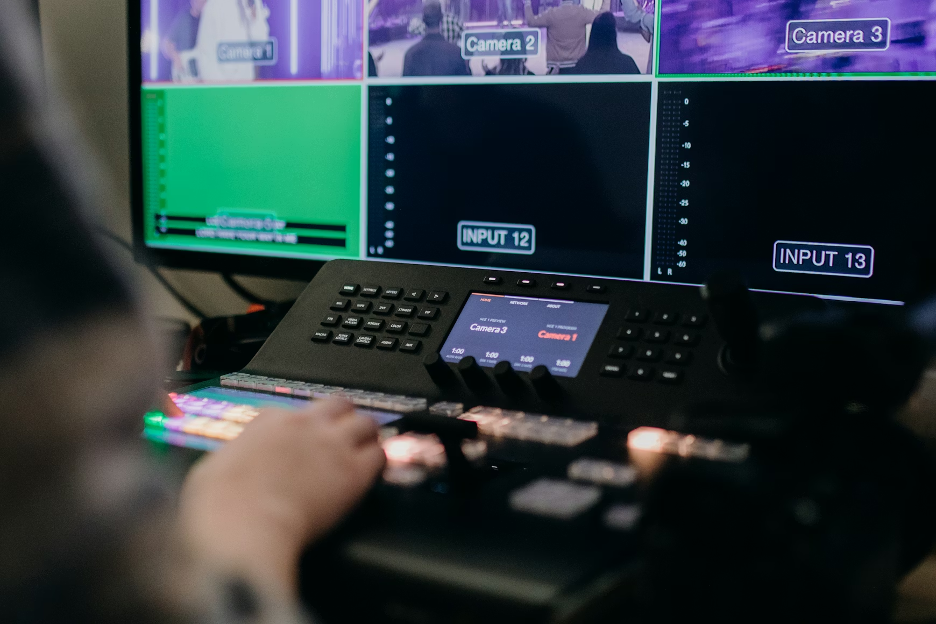
Run an eco-friendly studio without compromising on quality?
It’s not easy, but it is doable. You’ll need to think strategically about every piece of equipment you choose, and consider how it will contribute to your long-term goals as well as your studio’s carbon footprint.
First, some alarming stats…
Broadcasting equipment is a surprisingly large contributor to the world’s carbon emissions. The industry accounts for over 2% of worldwide CO2 emissions (same as the entire aviation industry), according to the BBC.
Here’s the issue:
Everything from old-fashioned lighting rigs to leaky transmitters to old power-hungry encoders is draining both energy (and money) from your operation.
The good news is that broadcasting equipment is changing fast. Energy-efficient LED lighting, efficient transmitters, cloud workflows and virtual production technologies will not only slash your studio’s energy usage, but they’ll also improve output quality and performance across the board.
What You’ll Learn
- Why sustainable broadcasting equipment matters now
- The biggest energy drains in your studio
- 5 eco-friendly equipment upgrades that actually work
- How to measure your studio’s green performance
Why Sustainable Broadcasting Equipment Matters Now
Broadcasting studios are not typically the first things that come to mind when we talk about going green. But the reality is that the industry has a surprisingly large carbon footprint. The BBC estimates that broadcasting contributes over 2% to global CO2 emissions—more than the entire aviation industry.
Here’s the problem:
You probably have old-school gear that’s guzzling more energy than it should. Lighting rigs, transmitters, and set-top boxes could all be using less power than they are. Making matters worse, some of the biggest broadcasters in the world are under huge pressure to meet strict net-zero targets.
Leading the way is Netflix, which announced a goal to halve emissions by 2030. The Italian public broadcaster Rai is already running on 97% green energy. Providers like Thor Broadcast are creating industry-leading sustainable broadcasting equipment solutions tailored for broadcast.
Think about it this way…
Your energy bill is probably a lot higher than it should be. And your competitors are probably already making the switch. Sustainable broadcasting equipment isn’t just good for the planet; it’s good for business.
The Biggest Energy Drains in Your Studio
Okay, you’ve decided to make the switch to more sustainable broadcasting equipment. But where do you start? The good news is that there are a few key areas where you can focus your efforts and see the biggest results.
Here are the most energy-intensive components in any studio:
- Studio lighting – Traditional tungsten bulbs are the biggest energy hog in any studio. They waste both power and heat energy.
- Transmitters – This is another power-hungry piece of gear that many studios overlook. An average FM transmitter can use 120MWh per year.
- Cooling systems – When you have all that old, inefficient equipment cranking out heat, it means you’re running your AC 24/7. More cooling = more energy wasted.
- Legacy equipment – Older encoders, modulators, and distribution boxes tend to run non-stop, chewing through power.
Environmental calculations put the annual release of CO2 into the atmosphere over 200,000 pounds for just tungsten-based lighting in a single newscast studio.
That’s more than 1100 times the annual CO2 output of an average home in the US.
Here’s the worst part. Most studios aren’t even aware of how much energy they could be saving by upgrading their equipment and workflows. Because they’ve been doing things the same way for decades, they don’t know any better.
5 Eco-Friendly Equipment Upgrades That Actually Work
Are you ready to take action?
These equipment upgrades provide real results and measurable impact on the quality of your production. Don’t worry – none of these upgrades are going to compromise your studio’s output quality.
Upgrade to LED Lighting Systems
Hands down, this is the single biggest improvement most studios can make.
LED fixtures use 75% less energy than traditional lighting according to the U.S. Department of Energy. They also last between 25,000 to 50,000 hours. Tungsten lasts a measly 200 hours.
BUT WAIT, THERE’S MORE…
LED lights produce almost no heat at all. This means your air conditioning doesn’t have to work overtime. Studios have seen HVAC energy reductions of 20% or more after switching to LED. One broadcast studio saved 95% on lighting energy consumption.
And the return on investment? The typical studio will pay off its investment within 12-18 months.
Energy-Efficient Transmitters
Your transmitter is probably on 24/7. That’s why efficiency is so important. The latest LDMOS generation FM transmitters achieve efficiency levels as high as 85%. Units older than 2015 typically top out at 74% efficiency. Over time that really adds up.
Smart FM will reduce power consumption between 10% and 40% for the same coverage.
Power Over Ethernet (PoE) Solutions
Power over Ethernet? What?
Traditional AC-powered studio equipment typically goes through multiple power conversion stages. Each stage reduces efficiency. PoE technology removes many of those power conversions.
The result?
Lower operating voltages and less heat waste. Peak efficiency for your lighting and control systems. The cherry on top is that installation is often easier since you’re running cables instead of bulky electrical conduit.
Cloud-Based Production Workflows
Cloud production is another game changer when it comes to sustainable equipment.
Cloud service providers run massive data centres that are optimised to use less energy per unit of work than on-premises servers. Advanced cooling and optimised resource allocation also results in lower energy use.
Fewer trucks on the road and large broadcast units at every location. Smaller production teams can capture and distribute high-quality content from anywhere with an internet connection.
Virtual Production Technology
Reduce your carbon footprint by up to 50%?
Virtual production technologies are making that possible. It used to be that you had to go somewhere to film. But now you can build those environments in virtual production. This means you don’t need to travel.
This also reduces material waste from set construction. It consolidates your teams in fewer locations.
How to Measure Your Studio’s Green Performance
You can’t improve your energy efficiency if you don’t measure it.
Start with these 4 simple steps:
- Conduct an energy audit – Document current consumption for all equipment
- Set baseline metrics – Track kilowatt hours per broadcast hour
- Monitor regularly – Install smart meters to help you spot usage patterns
- Calculate your carbon footprint – Use a Carbon Calculator specifically for broadcasters
Public broadcasters are starting to demand that their productions be albert certified. This involves completing a Carbon Action Plan and offsetting emissions. Although you may not be required to obtain certification, the carbon plan requirements provide excellent guidance.
Pro tip: Don’t try to do everything at once.
Focus on the biggest energy hogs first. For most studios, that’s lighting. Upgrade one system at a time. Track the impact.
Wrap Up
Sustainable broadcasting equipment solutions are no longer just a ‘nice to have’. They’re becoming essential for studios that want to remain competitive.
There’s technology available today that can literally transform your studio. LED lighting alone will cut your energy consumption by 60-90%. Throw in more efficient transmitters, PoE solutions, and cloud workflows and you have a recipe for a completely different operation.
To quickly recap:
- Broadcasting equipment is surprisingly large carbon emitter (>2% of global CO2 emissions)
- Studio lighting and transmitters are your biggest energy drains
- LED lighting pays for itself in most studios in 12-18 months
- Cloud and virtual production reduce travel and material waste
- Measuring your studio’s performance is essential for ongoing improvement
Studios that embrace sustainable broadcasting solutions now are positioning themselves for long-term success. Lower operating costs. Smaller carbon footprint. Better equipment that outperforms.
Win-win-win.
Frequently Asked Questions
What is sustainable broadcasting equipment?
Sustainable broadcasting equipment refers to gear designed to minimize environmental impact through energy efficiency, longer lifespans, and reduced waste. This includes LED lighting and efficient transmitters.
How much can LED lighting reduce studio energy costs?
LED lighting can typically reduce studio lighting energy costs by 60-90% compared to traditional tungsten fixtures. Additional savings come from reduced cooling requirements.